Permalife
Permalife is more than a print it is a dimensional, handcrafted artwork created through a proprietary aluminum process developed by Peter Lawlor.
Watch the videos below to experience the texture, relief, and depth that make Permalife unique.
Curated Permalife Collection
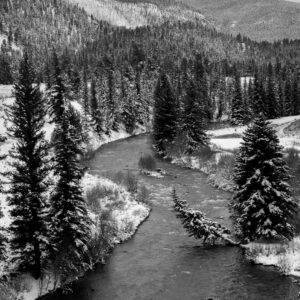
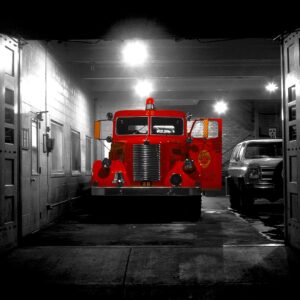
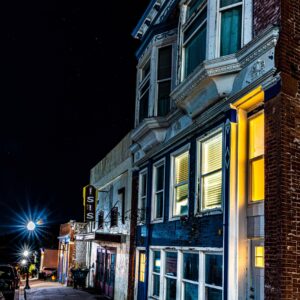
Below are specially curated Permalife images available in a variety of sizes.
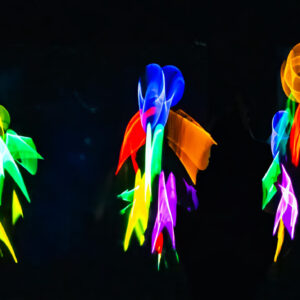
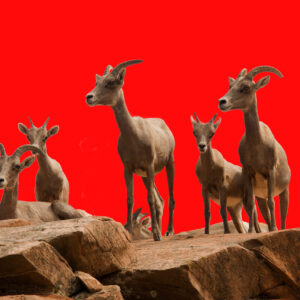
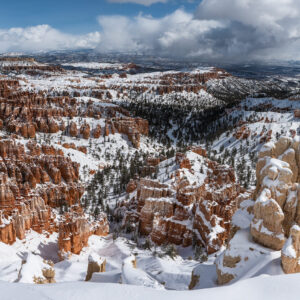
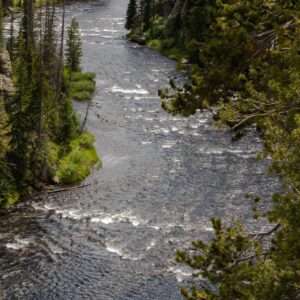
Click any image to enlarge and view available dimensions.
What is Permalife?
As traditional photographic silver-halide materials began to be replaced with less archival options such as inkjet and dye-sublimation prints, Peter who holds a Bachelor of Science in Photo Engineering Technology set out to find a more robust alternative. His goal was not only to create an archival product that could be passed down through generations, but also one durable enough to withstand the wear and tear of homes with children and busy business environments. Permalife is a proprietary, high-end aluminum printing process that combines:
- High-resolution imaging
- Hand-etched metalwork
- Relief and embossing effects
- UV-cured, heat-set protective coatings
Advantages of Permalife Prints
Washable Surface
Superior UV Resistance
sunlight.
One-of-a-Kind Artwork
Exceptional Durability
How Permalife Prints Are Created
Peter personally prepares each image. Panoramas are carefully stitched together to create a seamless, cohesive file.
The image file is sent to a Hungarian graphic artist who classifies designated areas for relief, embossing, or a combination of both based on Peter’s artistic direction.
The image is transferred onto 1/10” high-grade aluminum, over three times thicker than typical dye-sublimation aluminum used by many pro labs.
Skilled artisans pre-work and hand-etch the aluminum to create unique textures and effects. This handcrafted stage ensures each piece is original.
After a proprietary base coat is applied, the image is created one pixel at a time using Permalife algorithms.
Multiple passes are used to build relief or embossed areas with specially sourced pigmented coatings.
The printed piece is cured under ultraviolet light, significantly increasing resistance to fading and environmental damage.
A final protective coating is applied and heat-set at 860°F, sealing the artwork.
The finished piece becomes highly durable and washable, designed for decades of display.